The Back-to-School Bedtime Reset for the Whole Family​

Back-to-school season changes more than the morning routine. After weeks of later nights, flexible schedules and summer activities, the return to early alarms can make bedtime feel like an adjustment for the whole household.

A back-to-school bedtime reset can help families rebuild consistent evening habits before busy school mornings take over. The goal is not a perfect routine overnight. It is creating predictable cues that make it easier for children, teens and adults to shift from an active day into a calmer evening.

Sleep needs vary by age. The Centers for Disease Control and Prevention reports that children ages 6 to 12 generally need 9 to 12 hours of sleep per 24 hours, while teens ages 13 to 17 generally need 8 to 10 hours. Adults ages 18 to 60 are generally advised to get at least seven hours.

Start Your Back-to-School Bedtime Reset Gradually

If summer bedtime has drifted later, moving it earlier all at once can be challenging. Instead, families can begin adjusting the schedule in small increments in the days leading up to school.

Try moving bedtime and wake-up time earlier while keeping them relatively consistent from one day to the next. Consistency helps establish a familiar rhythm, particularly once school, activities and homework begin filling the calendar again.

Parents can participate in the reset too. A household routine can feel more natural when everyone starts winding down at roughly the same time rather than asking children to settle while the rest of the home remains active.

The American Academy of Pediatrics recommends maintaining a consistent bedtime schedule and routine. It also advises keeping phones and other digital media from interfering with bedtime.

Make the Last Hour of the Day Feel Different

A helpful bedtime routine does not have to be complicated. What matters is creating a recognizable transition between daytime activity and sleep.

That might mean dimming the lights, preparing backpacks for the next morning, taking a shower, reading or having a quiet conversation together. Repeating similar activities in a similar order can create a predictable end to the day.

Screens are worth special attention during a back-to-school reset. The American Academy of Pediatrics recommends avoiding screens for about one hour before bedtime and keeping phones and other screens out of children’s bedrooms at night. Screen use close to bedtime can increase alertness, and light from screens can interfere with the body’s normal production of melatonin.

A screen-free hour can benefit adults too. Consider charging family devices outside bedrooms and replacing late-night scrolling with quieter activities.

Build Evening Habits Around the Whole Family

Bedtime routines often work best when they are supported by the rest of the day.

Regular meals, physical activity and a consistent morning wake-up time can all become anchors in a family’s routine. Evening preparation can also make mornings less stressful. Setting out clothes, packing lunches or reviewing the next day’s schedule before bedtime may help reduce the number of decisions waiting for everyone in the morning.

Parents should also pay attention to caffeine later in the day. Coffee may be part of an adult’s routine, while teens may get caffeine from coffee, tea, soda or energy drinks. Families can talk with their healthcare providers about caffeine use and other factors that may be affecting sleep.

If a child or teen is regularly having difficulty sleeping, is unusually sleepy during the day or has other ongoing sleep concerns, a pediatrician or healthcare provider can help determine whether further evaluation is appropriate.

Where Magnesium Fits Into an Adult Wellness Routine

As parents reset the family’s schedule, they may also be thinking about their own evening wellness habits.

Magnesium is an essential mineral involved in hundreds of processes throughout the body. According to the National Institutes of Health Office of Dietary Supplements, magnesium plays roles in normal muscle and nerve function, energy production and other important biological processes.

Magnesium is naturally present in foods including nuts, seeds, legumes, whole grains and leafy green vegetables. It is also available in dietary supplements.

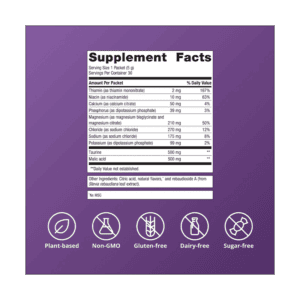
One option adults may discuss with their healthcare provider is Metagenics Magnesium Glycinate. The manufacturer describes the product as magnesium bis-glycinate formulated to support normal muscle and nerve function. Each tablet currently provides 100 mg of magnesium according to the manufacturer’s product information.

It is important to keep expectations in perspective. A magnesium supplement is not a substitute for a consistent bedtime, adequate sleep opportunity or medical evaluation when sleep problems persist. Supplements also are not automatically appropriate for every person.

Metagenics labels its Magnesium Glycinate product for adults and advises people who are pregnant, nursing, taking medication or managing a medical condition to consult a healthcare practitioner before use. The product should also be kept out of reach of children.

Parents should talk with a child’s healthcare provider before giving any dietary supplement to a child.

Give the New Routine Time to Become Familiar

A back-to-school bedtime reset is less about creating a rigid schedule and more about restoring consistency.

Some nights will run late. Homework, sports, family commitments and unexpected events are part of real life. Returning to the routine the following evening can be more useful than expecting every night to look exactly the same.

Start with the habits that have the biggest influence on your household. Set a reasonable bedtime. Create a screen-free wind-down period. Prepare for tomorrow before everyone is tired. Keep mornings consistent when possible.

For parents who are also reviewing their nutrition or supplement routines, make those decisions with the same thoughtful approach. Your healthcare provider or pharmacist can help you consider your individual health needs, medications and other factors before adding a supplement.

Frequently Asked Questions

How Much Sleep Do School-Age Children Need?

Children ages 6 to 12 generally need 9 to 12 hours of sleep in a 24-hour period. Teens generally need 8 to 10 hours. Individual needs can vary, so talk with your child’s healthcare provider if you have concerns about sleep.

Starting before the first school morning can give the family time to adjust gradually. Moving bedtime and wake-up time earlier while establishing a consistent evening routine may make the transition feel more manageable.

The American Academy of Pediatrics recommends avoiding screens for about one hour before bedtime and keeping phones and other screens out of children’s bedrooms overnight.

No. Magnesium is an essential nutrient, but dietary supplements should not replace healthy sleep habits, appropriate nutrition or guidance from a healthcare provider.

The manufacturer’s current directions identify Metagenics Magnesium Glycinate as an adult supplement. Parents should consult a pediatrician or other qualified healthcare provider before giving a dietary supplement to a child.

Disclaimer: This article is for educational purposes only and is not medical advice. Always talk with your healthcare provider before starting, stopping or changing any medication, supplement or health plan. These statements have not been evaluated by the Food and Drug Administration. These products are not intended to diagnose, treat, cure or prevent any disease.

Secret Link

ATTENTION!

YOUR FORM IS NOT SUBMITTED

To submit your order, click the “PRINT/SAVE” button located under this pop-up. 

You can save the PDF to your computer to fax at a later date or print it now to fax immediately.  

Fax your order form to 817-860-6083 for processing.

Provider Access Required Create a provider account to view the full resource library, including the drug catalog, order forms and more.

New to Pharmacy Solutions? Register now