When people search for “brain foods,” they are often looking for simple ways to support memory, focus, and healthy aging through nutrition.
There is no single food that can instantly sharpen memory or guarantee long-term cognitive health. A more useful approach is to look at your overall eating pattern.
Dietary approaches such as the Mediterranean diet and MIND diet emphasize vegetables, fruits, fish, whole grains, beans, nuts, and unsaturated fats. These eating patterns continue to be studied for their possible relationship with cognitive health and healthy aging.
At Pharmacy Solutions, we encourage patients to think beyond individual “superfoods” and focus instead on a varied, balanced eating pattern that supports overall health.
What Foods Are Good for Brain Health?
Foods commonly included in brain-conscious eating patterns include:
- Leafy green and other vegetables
- Berries and other fruits
- Fish rich in omega-3 fatty acids
- Nuts and seeds
- Beans and legumes
- Whole grains
- Olive oil and other sources of unsaturated fat
These foods provide nutrients involved in normal body and brain function. However, no individual food has been proven to prevent cognitive decline or guarantee better memory.
Research is generally more useful when looking at overall dietary patterns rather than trying to identify a single food that “boosts” the brain.
What Makes a Food “Brain Healthy”?
The phrase “brain healthy” is useful shorthand, but it does not mean a particular food can improve memory on demand.
The brain depends on a steady supply of energy and nutrients just like the rest of the body. Foods commonly described as brain healthy tend to provide combinations of:
- Unsaturated fats
- Vitamins and minerals
- Fiber
- Protein
- Naturally occurring plant compounds
The National Institute on Aging notes that healthy eating patterns have been associated with cognitive benefits in some studies, but researchers are still working to determine whether specific diets can directly prevent or delay Alzheimer’s disease or age-related cognitive decline.
Think Eating Pattern, Not Superfood
Rather than relying on one food, consider the combination of foods you eat regularly.
Mediterranean-style eating generally emphasizes fruits, vegetables, whole grains, beans, nuts, fish, seafood, and unsaturated fats such as olive oil.
The MIND diet combines elements of the Mediterranean diet and DASH diet and places additional emphasis on foods such as leafy green vegetables, berries, whole grains, beans, nuts, fish, and olive oil.
Both approaches illustrate an important idea: long-term nutrition is built around patterns, not miracle ingredients.
Leafy Green and Other Vegetables
Leafy green vegetables such as spinach, kale, and romaine are frequently included in brain-healthy dietary patterns.
These foods provide vitamins, minerals, fiber, and naturally occurring plant compounds. Research has found associations between greater adherence to MIND-style eating and measures of cognitive health, with leafy greens frequently included as one component of that pattern.
That does not mean spinach or kale alone can protect memory. The practical goal is to include a variety of vegetables throughout the week.
Berries and Other Fruits
Berries, especially blueberries, often appear on lists of foods for memory and focus.
Rather than treating berries as a stand-alone cognitive supplement, think of them as one part of a varied fruit intake. Berries and other fruits provide fiber, vitamins, and naturally occurring plant compounds that contribute to overall nutrition.
The MIND diet gives particular attention to berries, but current research does not establish that eating one specific fruit will directly improve memory or prevent cognitive decline.
Fish and Omega-3 Fatty Acids
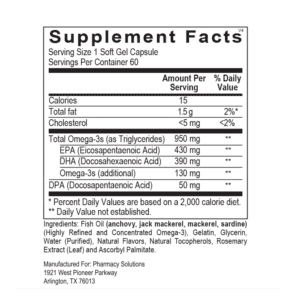
Certain fish provide omega-3 fatty acids, including EPA and DHA, and fish is commonly included in Mediterranean- and MIND-style dietary patterns.
Omega-3 fatty acids are involved in normal body functions and are one reason fish is often discussed in relation to brain-conscious nutrition.
It is important, however, to distinguish eating fish as part of an overall dietary pattern from taking a fish oil or omega-3 supplement. Research involving whole foods and dietary patterns cannot automatically be applied to supplements.
If you are considering an omega-3 supplement, talk with your healthcare provider or pharmacist about whether it is appropriate for your individual needs.
Nuts, Beans, and Whole Grains
Nuts, beans, legumes, and whole grains are also common components of Mediterranean- and MIND-style eating.
Nuts provide unsaturated fats and other nutrients. Beans contribute plant-based protein, fiber, and micronutrients. Whole grains can provide carbohydrates, fiber, vitamins, and minerals depending on the grain.
Their value comes from how they fit into an overall nutrient-dense eating pattern rather than from any one food acting as a shortcut to better memory or concentration.
Healthy Fats and Olive Oil
Olive oil is a hallmark of Mediterranean-style eating and provides primarily unsaturated fat.
Other sources of unsaturated fats include:
- Nuts
- Seeds
- Avocados
- Certain fish
Replacing some foods higher in saturated fat with sources of unsaturated fat can be one part of a balanced eating pattern.
Olive oil should not be viewed as a treatment for cognitive decline. It is simply one component of a broader nutritional approach.
What Is the MIND Diet?
The MIND diet stands for Mediterranean-DASH Intervention for Neurodegenerative Delay.
It combines features of the Mediterranean diet and DASH diet and emphasizes foods such as:
- Leafy green vegetables
- Other vegetables
- Berries
- Nuts
- Whole grains
- Beans
- Fish
- Olive oil
Research into the MIND diet continues. Observational studies have found associations between greater adherence to MIND-style eating and slower cognitive decline or lower dementia risk, but clinical trial results have been mixed. That means researchers are still working to determine cause and effect.
For most people, the practical lesson is not to follow a perfect diet. It is to build sustainable eating habits around a variety of nutritious foods.
Is the Mediterranean Diet Good for Brain Health?
The Mediterranean diet has been studied extensively for its relationship with healthy aging and cognitive health.
Some research has found that people who more closely follow Mediterranean- or MIND-style dietary patterns have better cognitive outcomes or fewer signs of Alzheimer’s-related brain pathology. However, not every study has produced the same results.
For that reason, it is more accurate to say these dietary patterns may support overall health and are being studied for cognitive health, rather than claiming they can prevent dementia.
Can Supplements Replace a Brain-Healthy Diet?
No. Supplements can provide individual nutrients, but they do not recreate the full nutritional profile of a balanced diet.
Products marketed with dramatic claims about memory, concentration, or dementia prevention deserve particular caution.
Supplements can also interact with medications or may not be appropriate for everyone. Talk with your healthcare provider or pharmacist before starting a new supplement, especially if you take prescription medications or have an existing health condition.
How to Build a Brain-Healthy Plate
A brain-conscious approach to eating does not require a rigid meal plan.
A simple meal might include:
- A variety of vegetables or fruit
- A whole grain or beans
- An appropriate protein source such as fish
- A source of unsaturated fat such as nuts, seeds, avocado, or olive oil
The exact foods can change based on your preferences, nutritional needs, medical conditions, and cultural traditions.
Most importantly, choose an eating pattern you can maintain. Healthy aging is not built around one berry, one fish, or one supplement. Nutrition is one part of a broader picture that also includes physical activity, sleep, medical care, stress management, and other health factors.

 Quick View
 Quick View
 Quick View
 Quick View
 Quick View
 Quick View
 Quick View
 Quick View
 Quick View
 Quick View
 Quick View
 Quick View
 Quick View
 Quick View
 Quick View
 Quick View
 Quick View
 Quick View
 Quick View
 Quick View
 Quick View