If you’re following a healthcare provider’s plan to gradually reduce a medication, you may wonder whether changing your nutrition or adding supplements could support your overall health during the process.
It’s an understandable question. Searches for supplements during medication taper may produce long lists of vitamins, minerals and herbal products that claim to make medication withdrawal easier. Those recommendations deserve caution.
There is no universal supplement regimen for tapering medication. A supplement is not automatically necessary simply because your medication dose is changing, and supplements should not be used as substitutes for a provider-directed taper.
Good nutrition still matters. So does understanding that vitamins, minerals, herbs and other supplements can interact with medications. Your healthcare provider and pharmacist can help you evaluate both while your medication plan is changing.
Does Tapering a Medication Mean You Need Extra Nutrients?
Not necessarily.
Your nutritional needs depend on many factors, including your diet, medical history, medications and individual circumstances. Laboratory findings may also be relevant in some situations.
Tapering a medication does not automatically mean that you have developed a vitamin or mineral deficiency.
If you’re concerned about your nutritional status, discuss that concern with your healthcare provider. Your provider can evaluate whether your diet, symptoms, medical history or medications provide a reason to investigate a particular nutrient.
This individualized approach is more useful than automatically starting vitamins when tapering off medication.
Start With Nutrition During a Medication Change
Rather than beginning with supplements, consider the fundamentals of a balanced eating pattern.
Regular meals that include protein-containing foods, fruits, vegetables, whole grains or other fiber-rich foods and sources of healthy fats can provide a broad range of nutrients. Adequate fluid intake is another basic component of overall nutrition.
Individual needs vary, particularly for people with medical conditions or specific dietary requirements. A registered dietitian or healthcare provider can help provide individualized nutrition guidance when appropriate.
Most importantly, food is not a substitute for a medication taper plan. Continue following the instructions provided by your healthcare professional rather than adjusting a medication based on changes to your diet.
Can Long-Term Medication Use Affect Nutrient Status?
Some medications can affect the absorption, metabolism or levels of certain nutrients. Whether this is clinically meaningful depends on the specific medication and nutrient as well as factors such as dose, duration of use, diet and individual health.
That does not mean everyone who takes a particular medication develops a deficiency.
It also does not mean that everyone taking a long-term medication should automatically add a supplement.
Medication-nutrient relationships can be complicated, which is one reason broad online charts promising to identify “nutrient depletion” from medications should be interpreted cautiously.
Ask your healthcare provider or pharmacist whether your specific medications have nutritional considerations that are relevant to you.
Should You Get Tested for Nutrient Deficiencies?
Laboratory testing may be appropriate in some circumstances, but there is no universal vitamin panel that everyone needs before or during a medication taper.
A healthcare provider may consider your symptoms, diet, medications, medical history and other factors when deciding whether testing for a particular deficiency makes sense.
Testing can also help prevent assumptions. A nonspecific symptom does not necessarily mean a nutrient deficiency is responsible.
Rather than ordering broad testing or starting several supplements on your own, ask your provider whether there is a clinical reason to evaluate a particular nutrient.
Can Supplements Help With Medication Withdrawal Symptoms?
Supplements should not be presented as a universal method for preventing or managing medication withdrawal or discontinuation symptoms.
Different medications have different considerations when their doses are reduced. The appropriate tapering approach depends heavily on the medication and the individual patient.
If you develop new or concerning symptoms while following a taper, contact your healthcare team. Do not independently change your medication dose or begin a supplement in an attempt to manage the symptoms.
Your healthcare provider can determine whether a symptom may be related to the medication change, another health issue or something else that requires evaluation.
Why "Natural" Doesn't Mean Interaction-Free
A product being described as “natural” does not mean it is automatically appropriate to combine with medication.
Vitamins, minerals, herbal products and other dietary supplements can have medication-related considerations. Depending on the product and circumstances, a supplement may affect how a medication is absorbed or metabolized, have additive effects with another product or be inappropriate for certain health conditions.
Supplements can also cause adverse effects of their own.
That’s why your healthcare team should know what you take beyond prescription medications. Treat supplements as part of your complete medication list and share that information with your pharmacist and healthcare provider.
Supplements Worth Discussing, Not Automatically Taking
Instead of asking, “Which supplements should I take during a taper?” consider asking questions that help determine whether you need a supplement at all.
Are you getting enough of the nutrient from food? Is there evidence that you are deficient? Could one of your medications affect the nutrient? Could the supplement interact with your medications or be inappropriate based on your medical history?
If supplementation is recommended, ask your healthcare provider what amount is appropriate and how long you should take it.
This approach keeps supplement decisions connected to your individual needs rather than to the fact that you’re tapering a medication.
What About Magnesium, B Vitamins, Omega-3s and Other Popular Supplements?
Magnesium
Magnesium is an essential mineral involved in numerous normal processes in the body. Individual magnesium needs and the appropriateness of supplementation vary.
Magnesium should not be presented as a treatment for withdrawal, taper-related anxiety, insomnia or other discontinuation symptoms. If you’re considering a magnesium supplement, discuss it with your healthcare provider or pharmacist.
B Vitamins
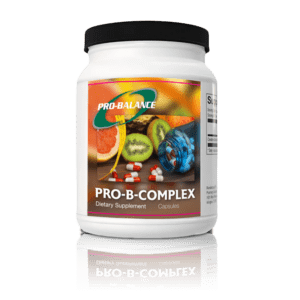
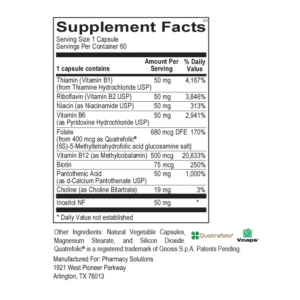
B vitamins perform several important physiological functions. Whether supplementation is necessary depends on factors such as dietary intake and individual health circumstances.
Claims that B vitamins “detox” the body or restore the nervous system after medication use should be approached cautiously. Tapering a medication does not automatically establish a need for B vitamin supplementation.
Omega-3 Fatty Acids
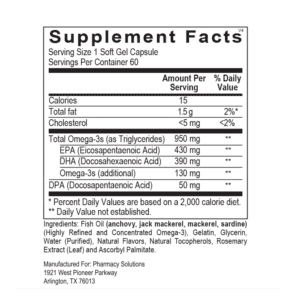
Omega-3 fatty acids include ALA, EPA and DHA and can be obtained through foods, with certain omega-3s also available in dietary supplements.
Omega-3 supplements should not be presented as treatments for medication withdrawal symptoms. If you’re considering one, your healthcare provider or pharmacist can help you evaluate how it fits with your medications and overall health.
Multivitamins
A multivitamin may seem like a simple way to cover nutritional gaps, but more is not necessarily better.
Taking a multivitamin alongside individual supplements can result in overlapping ingredients. Read labels carefully and discuss your complete supplement routine with your healthcare team.
Herbal Supplements
Herbal products deserve the same medication-safety attention as other supplements.
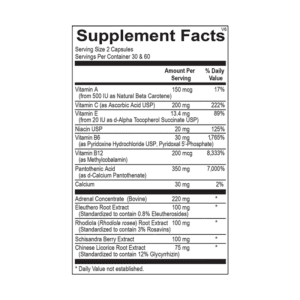
Avoid assuming products marketed for “detox,” “withdrawal support,” “adrenal support” or similar purposes are necessary during a medication taper. Herbal products can have medication interactions and other safety considerations.
Keep a Complete Medication and Supplement List
Medication safety is easier when your healthcare team has the complete picture.
Keep an updated record of prescription medications, OTC medications, vitamins, minerals, herbal products and other dietary supplements you use. Include nutrition or protein products when they contain ingredients relevant to your care.
Bring the list to healthcare appointments and pharmacy consultations. If you’re considering something new, ask about it before adding it.
Your pharmacist can help you review medications, OTC products, vitamins and supplements together so you can ask informed questions about potential interactions and appropriate use.
Put Medication and Supplement Safety First
Good nutrition during a medication taper can remain part of supporting your overall health, but tapering does not automatically create a need for supplements.
When supplements are being considered, the better question is not which product is popular for medication withdrawal. It is whether that supplement is appropriate for you given your nutrition, medications, health history and individual needs.
Talk with your healthcare provider or pharmacist before adding supplements or changing medications during a taper.

 Quick View
 Quick View
 Quick View
 Quick View
 Quick View
 Quick View
 Quick View
 Quick View
 Quick View
 Quick View
 Quick View
 Quick View
 Quick View
 Quick View
 Quick View
 Quick View
 Quick View
 Quick View
 Quick View
 Quick View
 Quick View