Omega-3 fatty acids come up frequently in conversations about nutrition, healthy aging and brain health. Walk through the supplement aisle and you may see labels featuring terms such as fish oil, EPA, DHA and total omega-3s. Understanding what those terms mean can help you make more informed decisions about food and supplements.
Three main omega-3 fatty acids are commonly discussed. They are alpha-linolenic acid, or ALA, eicosapentaenoic acid, or EPA, and docosahexaenoic acid, or DHA. EPA and DHA are commonly found in fish and other seafood, while ALA occurs primarily in plant foods.
DHA is particularly relevant to discussions about omega-3 for brain health because it is an important structural component found in brain tissue. That biological role, however, should not be confused with a promise that taking an omega-3 supplement will prevent or treat a cognitive condition.
Here’s what to know about EPA, DHA, food sources and fish oil supplements.
What Are Omega-3 Fatty Acids?
Omega-3 fatty acids are a family of polyunsaturated fats. According to the National Institutes of Health Office of Dietary Supplements, the three main omega-3 fatty acids are ALA, EPA and DHA.
ALA is considered an essential fatty acid because the body cannot make it and must obtain it through food. It is found in plant foods such as flaxseed, chia seeds and walnuts, as well as certain plant oils.
EPA and DHA are found primarily in fish and other seafood. The body can convert some ALA into EPA and then DHA, but this conversion is limited. EPA and DHA can also be obtained directly through food or supplements.
Each of these fatty acids has distinct roles in the body, so seeing “omega-3” on a food or supplement label does not necessarily tell you how much EPA or DHA it contains.
EPA vs. DHA: What's the Difference?
EPA and DHA are both long-chain omega-3 fatty acids, but they are not identical.
EPA participates in biological processes throughout the body and serves as a precursor to signaling molecules. DHA is an important structural component of cell membranes and is especially concentrated in certain tissues, including the brain and retina.
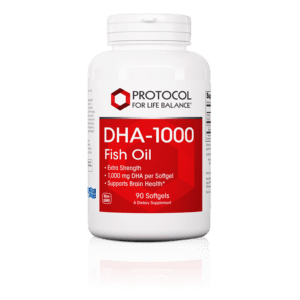
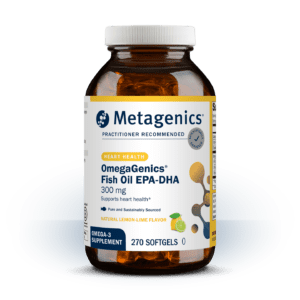
Many fish oil supplements contain both EPA and DHA, but the amounts and proportions can differ considerably between products.
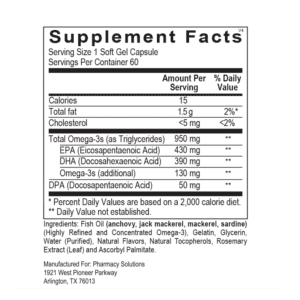
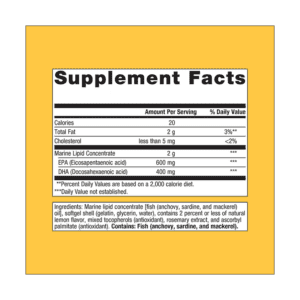
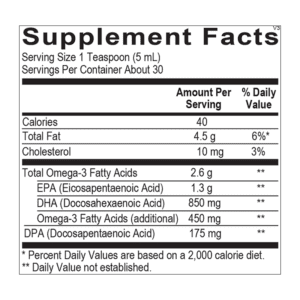
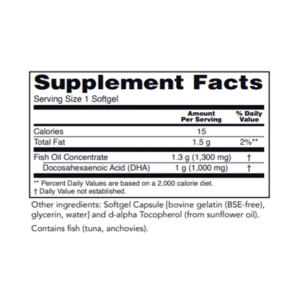
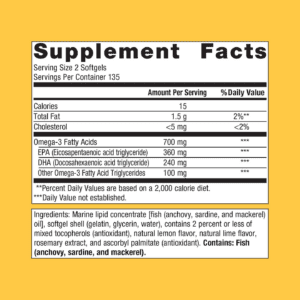
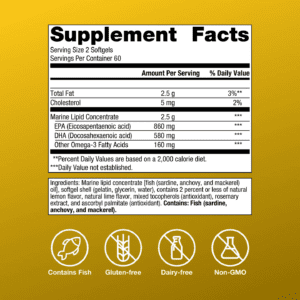
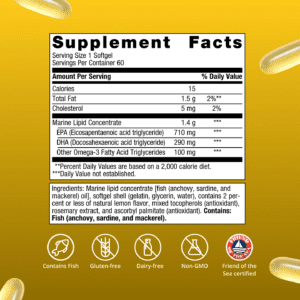
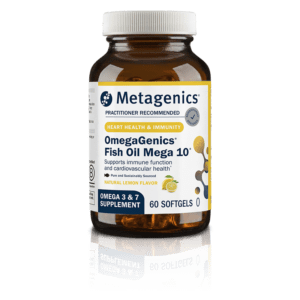
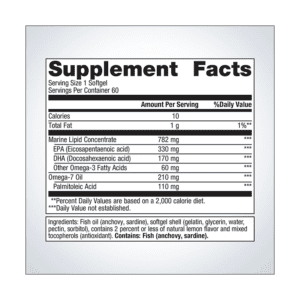
This is why comparing omega-3 supplements based only on the total amount of “fish oil” on the front of a bottle can be misleading. Reading the Supplement Facts panel can give you more useful information about how much EPA and DHA a serving actually provides.
Why Is DHA Associated With the Brain?
DHA is frequently discussed in relation to brain health because brain tissue contains substantial amounts of this fatty acid. DHA is incorporated into cell membranes, including those of neurons.
That physiological fact helps explain why researchers continue to study DHA and brain health.
It does not mean that taking additional DHA or fish oil automatically produces a particular cognitive result. Research into omega-3 intake, supplementation and cognitive outcomes is complex, and findings can depend on factors such as the population studied, dietary patterns and other health considerations.
Omega-3 supplements should not be presented as a way to prevent, treat or reverse Alzheimer’s disease, dementia, cognitive decline or another medical condition.
If cognitive changes are a concern, speak with a healthcare provider rather than relying on a supplement for diagnosis or treatment.
Food Sources of EPA and DHA
Fish and seafood are the primary dietary sources of EPA and DHA.
Examples include fatty fish such as salmon, sardines, herring and mackerel. The amount of EPA and DHA varies among species and preparation methods.
A food-first approach also places omega-3 intake within a broader eating pattern. Fish, for example, can provide protein and other nutrients in addition to omega-3 fatty acids.
Plant foods can contribute omega-3s in the form of ALA. Flaxseed, chia seeds and walnuts are examples, but ALA is not the same as EPA or DHA.
Your healthcare provider or a registered dietitian can help you understand how omega-3-rich foods may fit into your individual nutritional needs.
What Are Fish Oil and Omega-3 Supplements?
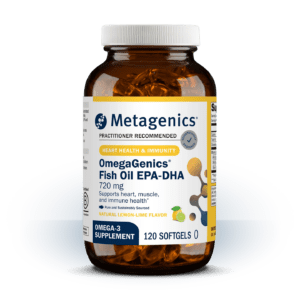
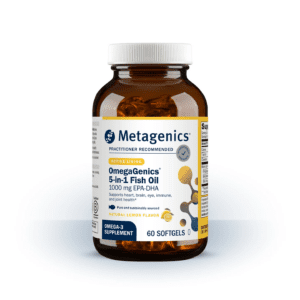
Fish oil supplements are commonly derived from fatty fish and generally provide EPA, DHA or a combination of both.
Not every omega-3 supplement is fish oil. Other sources may also provide omega-3 fatty acids, so the source and specific fatty acids should be identified on the product label.
When evaluating fish oil supplements, pay attention to the amount of EPA and DHA rather than assuming the total fish oil amount represents the amount of active omega-3 fatty acids.
For example, a serving may contain a certain total quantity of fish oil while providing smaller individual quantities of EPA and DHA. Different products can have substantially different formulations.
What Should You Look for on an Omega-3 Supplement Label?
Start with the Supplement Facts panel.
Look for the listed amounts of EPA and DHA per serving and check the serving size. A product’s serving may consist of more than one capsule or softgel, which can change how you interpret the numbers on the label.
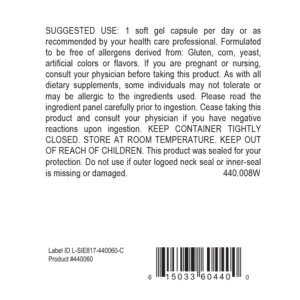
Also review other ingredients, especially if you have allergies, sensitivities or dietary restrictions.
Product quality information can provide additional context, but avoid assuming that marketing terms automatically establish that one supplement is appropriate for you. Your healthcare provider or pharmacist can help you interpret a label and compare it with your individual needs.
Remember that supplements should complement appropriate nutrition and healthcare, not replace prescribed medication, medical evaluation or professional guidance.
Can Omega-3 Supplements Interact With Medications?
Dietary supplements can have medication-related considerations, and omega-3 supplements are no exception.
Factors such as the amount taken, your medications, other supplements and your medical history can affect whether a particular product is appropriate.
This is especially important if you take prescription medications or are preparing for a medical procedure. Rather than starting a supplement and mentioning it later, consider including supplements in the medication list you share with your healthcare team.
A pharmacist can help you review potential medication and supplement considerations. Do not stop or change a prescribed medication because you are considering an omega-3 supplement.
Questions to Ask Before Taking an Omega-3 Supplement
Before adding an omega-3 supplement to your routine, consider what you are trying to accomplish and whether supplementation is appropriate for your individual needs.
Ask your healthcare provider or pharmacist how the supplement fits with your current diet, medications and other supplements. You can also ask how to interpret the EPA and DHA amounts on a product label and whether there are specific ingredients you should consider based on your medical history.
These conversations can be especially useful when you’re comparing several products that appear similar at first glance.

 Quick View
 Quick View
 Quick View
 Quick View
 Quick View
 Quick View
 Quick View
 Quick View
 Quick View
 Quick View
 Quick View
 Quick View
 Quick View
 Quick View
 Quick View
 Quick View
 Quick View
 Quick View
 Quick View
 Quick View
 Quick View
 Quick View